
What is Novruz?
March is a month of boundless joy for every child in
Azerbaijan. It heralds the much-anticipated arrival of Novruz, a celebration
deeply embedded in the nation’s cultural fabric. Every Tuesday leading up to
the main festivity is dedicated to a special Novruz tradition, where families
and friends gather to share meals, make wishes, and partake in symbolic
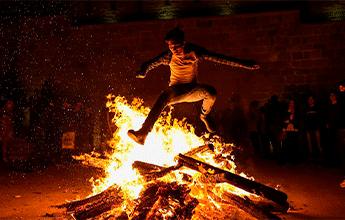
rituals. Among the most cherished customs is the fire-jumping tradition,
predominantly orchestrated by children, who take great delight in preparing the
bonfires. Beyond fire-jumping, Novruz encompasses an array of traditions, each
fostering imagination and creativity, particularly among the younger
generation.
So, what exactly is Novruz? At its core, Novruz is a
celebration of nature’s renewal. The term itself, derived from Persian,
translates to "New Day," signifying the advent of spring. This
festival, observed for over 3,000 years, is embraced by various cultures,
including Iranian, Turkish, Albanian, Kurdish, Uzbek, Kazakh, Azerbaijani, and
even Indian communities. Though its origins can be traced back to
Zoroastrianism, Novruz transcends religious and ethnic boundaries, making it a
universal celebration of rebirth and renewal. It is often informally referred
to as the Eastern New Year. Recognizing its cultural significance, the United
Nations designated March 21 as the "International Day of Novruz," and
UNESCO has included it on its list of Intangible Cultural Heritage.
A spring festival, simple enough, right? However, the depth
of customs associated with Novruz is remarkable. Within Azerbaijan alone,
regional variations give rise to at least six distinct ways of celebrating the
holiday. The diversity extends even to individual households—attend three
separate Novruz gatherings, and you will witness three unique approaches to the
celebration. This individuality is reflected in the way pilaf is prepared, the
specific elements placed on the festive table, the manner in which fire-jumping
is conducted, and even the nuances of homemade baklava. Unsurprisingly,
maintaining one’s weight during Novruz festivities is an almost impossible
feat. Many in Baku follow a strict diet before and after March to compensate
for the indulgences of the holiday.
Key Aspects of Novruz Celebrations
• The
Prelude to Novruz: The Four Tuesdays (Çərşənbə)
Novruz celebrations commence four weeks before March 21,
marked by four Tuesdays, each dedicated to one of the fundamental elements of
the universe: Water, Fire, Wind, and Earth.
o Water
Tuesday: Symbolizing purity and new beginnings, this day represents
the melting of ice and the replenishment of the land with life-giving water. It
is customary to place a glass or bowl of water on the festive table, alongside
the traditional pilaf.
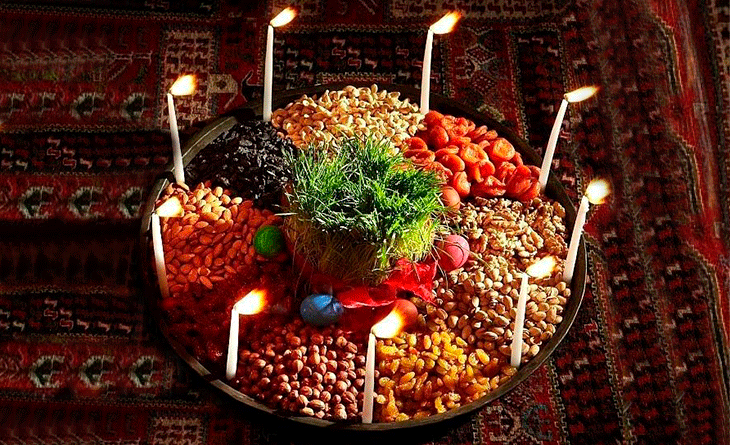
o Fire
Tuesday: Fire embodies the warmth of the sun, essential for the renewal
of life. On this day, families light a candle for each member of the household,
signifying protection and prosperity.
o Wind
Tuesday: The wind is believed to awaken nature, clearing away
remnants of the old season and ushering in fresh beginnings.
o Earth
Tuesday: This final Tuesday signifies the readiness of the land for
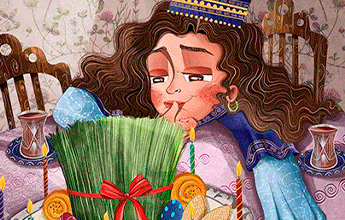
a new harvest. A notable tradition on this day is the preparation of a table
adorned with seven items beginning with the letter “S.”
The culmination of these Tuesdays is the Bayram Axşamı, the
festive evening preceding March 21, akin to New Year’s Eve or Christmas Eve.
• Symbolic
Novruz Sweets
Novruz confections are imbued with profound symbolism, each
representing elements of nature:
o Gogal
– the sun
o Shekerbura
– the moon
o Baklava
– fire
• Fire-Jumping
Ritual
A central and exhilarating aspect of Novruz is the
fire-jumping tradition. This practice serves a dual purpose:
1. It
is a source of joy and excitement, particularly for children.
2. Symbolically,
it allows individuals to cast away the negativity of the past year into the
flames and make three wishes for the year ahead.
• Children’s
Hat Tradition
A delightful custom associated with Novruz is the act of
children leaving their hats at their neighbors’ doorsteps. This has evolved
into an amusing game—children drop their hats, ring the doorbell, and dash away
before the door is opened. The homeowner, upon finding the hat, places an
offering of food inside. Historically, this tradition was a means of ensuring
that even the less fortunate had a hearty meal during the celebrations.
• Fortunetelling
and Superstitions
Among the myriad customs of Novruz, fortunetelling holds a
special place. These practices vary by region, district, and even household.
One of the most intriguing traditions is pre-door listening, which involves
individuals—often young women—eavesdropping on conversations from outside a
home. It is believed that the first words overheard will hold significance for
the listener’s fate in the coming year. Due to this belief, elders discourage
conflicts, negative discussions, and harsh words during Novruz, cautioning that
misfortune may be inadvertently spoken into existence. Consequently, Novruz
fosters an atmosphere of positivity, reconciliation, and harmony. Those who are
at odds are encouraged to make peace, ensuring that all enter the new year free
of discord.
Isn’t that simply wonderful? We cherish Novruz and all the
joy it brings!